How Much Is a Bottle of Coke in Iran? Coca-Cola vs Pepsi & Other Soft Drinks
Quick Answer: Coke Prices in Iran Compared to Pepsi and Other Soft Drinks

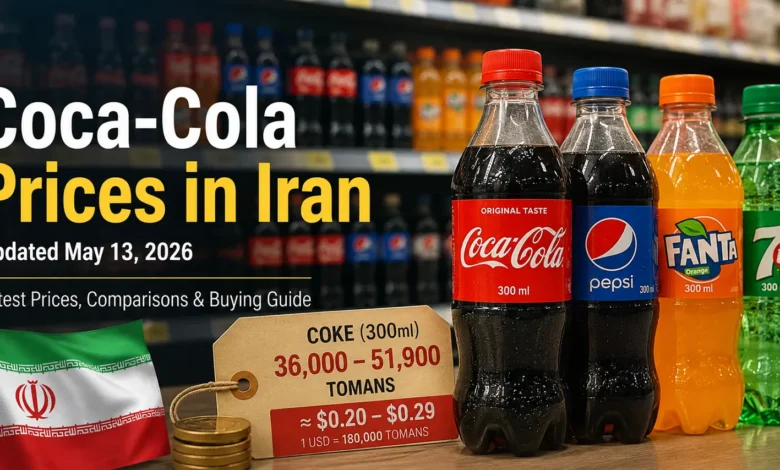
As of May 13, 2026, a bottle of Coca-Cola in Iran typically costs between 36,000 and 51,900 Tomans ($0.20 to $0.29) on major online marketplaces such as Digikala. Compared to Pepsi, Zamzam, Fanta, and other soft drinks available in Iran, Coca-Cola is generally positioned in the mid-range segment of the market.
In large cities such as Tehran, Mashhad, Isfahan, and Shiraz, Coca-Cola, Pepsi, Zamzam, Fanta, and 7UP are widely available in supermarkets, restaurants, cafes, convenience stores, and online grocery platforms. Local Iranian brands are usually cheaper than imported beverages, while premium imported soft drinks may cost significantly more due to transportation expenses, customs duties, and currency fluctuations.
For many international readers, one surprising aspect of Iran’s consumer market is how inexpensive everyday soft drinks appear when converted into US dollars.

Table: Coca-Cola and Soft Drink Prices in Iran (Updated May 13, 2026)
| Drink | Size / Package | Price on Digikala (Tomans) | Approx. Price (USD) | Notes |
|---|---|---|---|---|
| Coca-Cola | 300 ml | 36,000 | $0.20 | Standard Coca-Cola bottle |
| Coca-Cola Zero | 330 ml | 51,900 | $0.29 | Zero-sugar Coca-Cola |
| Pepsi | 300 ml | 28,650 | $0.16 | Standard Pepsi bottle |
| Pepsi | 330 ml | 42,520 | $0.24 | Cola-flavored Pepsi |
| Fanta Orange | 330 ml | 46,710 | $0.26 | Orange-flavored Fanta |
| Fanta Orange | 1.5 L | 60,750 | $0.34 | Family-size bottle |
| Pepsi | 1.5 L | 85,000 | $0.47 | Family-size bottle |
| Coca-Cola Zero | 1.5 L × 6 pack | 405,000 | $2.25 | About $0.38 per 1.5 L bottle |
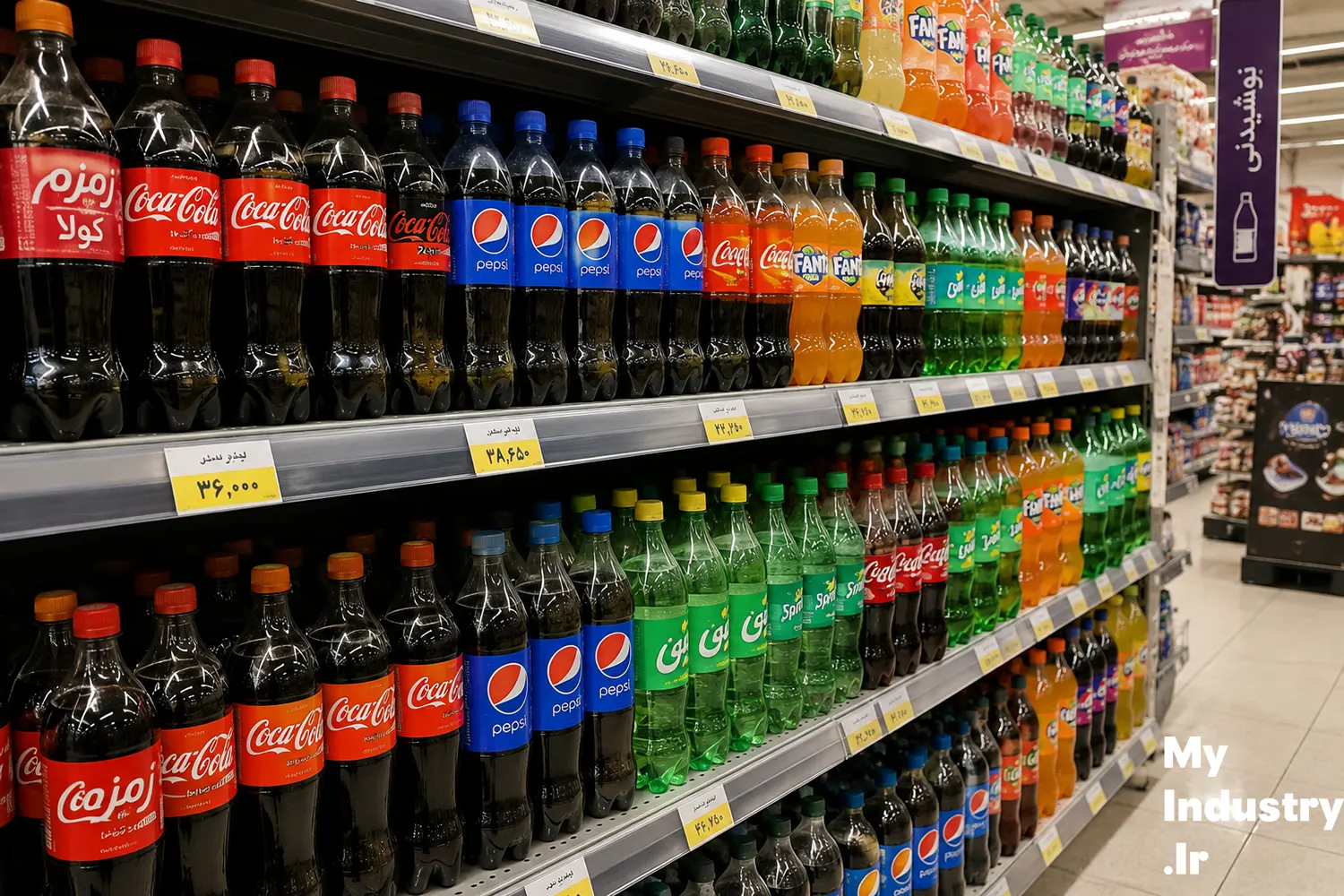
Coca-Cola vs Pepsi, Zamzam, and Other Soft Drinks in Iran
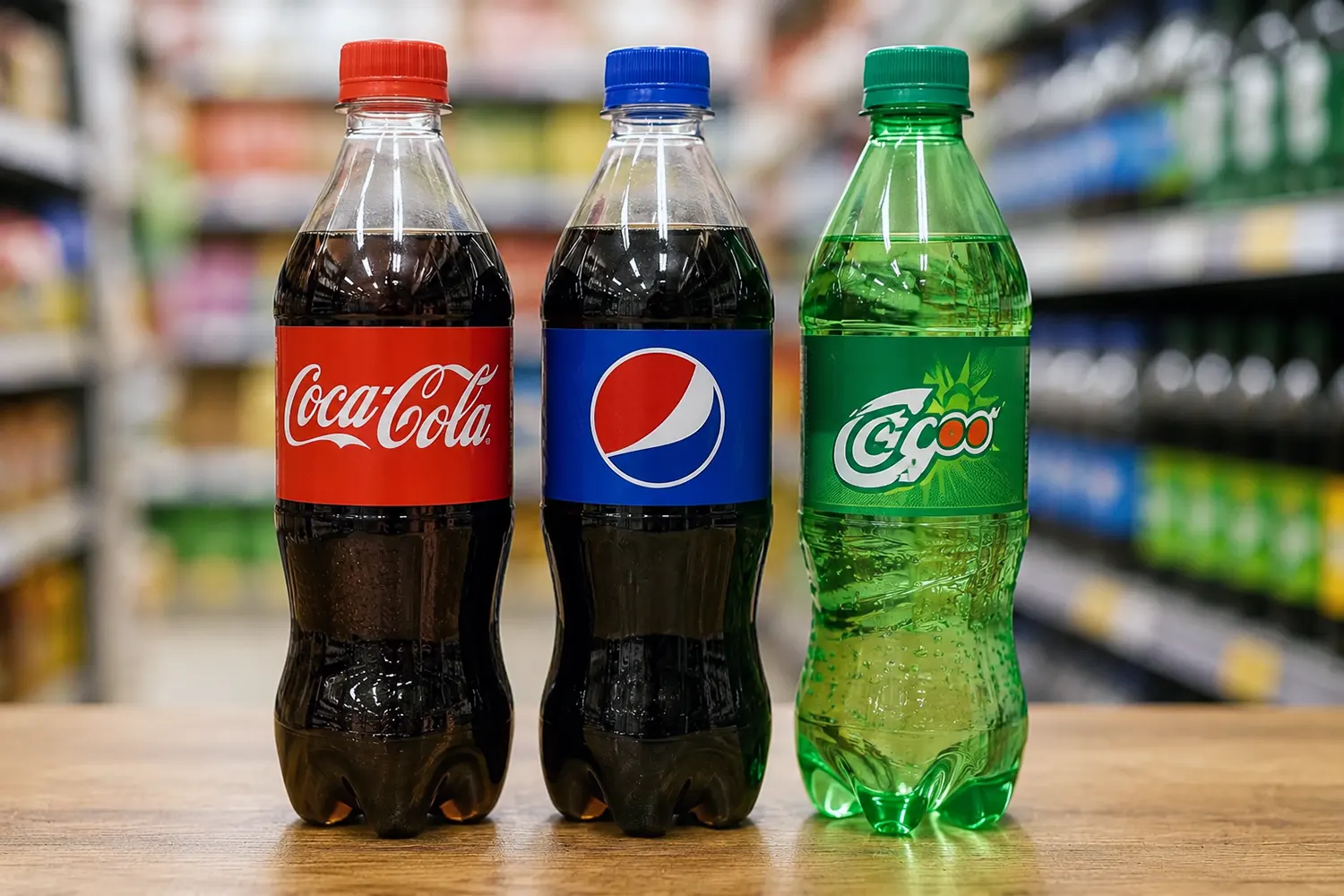
Compared to local Iranian soft drinks, Coca-Cola is usually positioned in the mid-to-upper price range of the market. While locally produced beverages such as Zamzam are often cheaper and more widely distributed in traditional stores, international brands like Coca-Cola and Pepsi remain highly popular in urban supermarkets, restaurants, and online grocery platforms.
 .
.
Based on Digikala prices collected in May 2026, standard Pepsi bottles are generally slightly cheaper than Coca-Cola products of similar size. Fanta and 7UP usually fall into a similar pricing category, while imported energy drinks and specialty beverages can cost several times more than standard cola drinks.
| Soft Drink Category | Typical Price Range (Tomans) | Relative Market Position |
|---|---|---|
| Local Iranian Cola Brands | 25,000 – 60,000 | Budget-friendly |
| Coca-Cola & Pepsi | 36,000 – 85,000 | Mainstream international segment |
| Fanta & 7UP | 45,000 – 90,000 | Mid-range flavored soft drinks |
| Imported Energy Drinks | 180,000 – 450,000 | Premium imported category |
Prices can vary depending on the retailer, neighborhood, exchange-rate fluctuations, seasonal demand, and import conditions. Imported soft drinks and limited-edition products are generally more expensive than locally distributed beverages.
Why Are Coke Prices in Iran Different From Other Countries?
Several economic and market factors influence Coca-Cola and soft drink prices in Iran. Currency volatility, inflation, import regulations, transportation costs, and local production capacity all play a role in determining retail beverage prices. In addition, Iranian consumer preferences strongly influence the popularity of both international and domestic soft drink brands.
While Coca-Cola remains recognizable in Iran, local brands such as Zamzam continue to maintain a strong market presence because of lower prices and widespread distribution networks. In many traditional stores and smaller cities, locally produced beverages are often preferred due to affordability and availability.
Are Soft Drinks Expensive in Iran?
Compared to many Western countries and Gulf markets, standard soft drinks in Iran are generally considered affordable when converted into US dollars. However, purchasing power inside Iran is heavily affected by domestic inflation and exchange-rate instability. As a result, price sensitivity among consumers remains high, especially for imported beverages and premium products.
For a broader overview of beverage categories, traditional drinks, coffee culture, and pricing trends across Iran’s beverage industry, read our complete guide to
beverage prices in Iran.
Why Are Soft Drinks Relatively Affordable in Iran?
One of the main reasons soft drinks remain relatively affordable in Iran is the country’s strong domestic production capacity. Iran has a large non-alcoholic beverage industry with extensive local manufacturing, packaging, and distribution networks. Many cola drinks, flavored sodas, dairy beverages, and energy drinks are produced locally, reducing dependence on expensive imports and helping companies keep retail prices competitive.
Another important factor is consumer purchasing power. Although prices converted into US dollars may appear low compared to Europe or North America, local consumers are highly sensitive to inflation and exchange-rate fluctuations. Beverage companies therefore compete aggressively on affordability, especially in supermarkets and high-volume retail chains.
Domestic competition also plays a major role. Alongside international brands such as Coca-Cola and Pepsi, local Iranian brands including Zamzam maintain a strong market presence through lower pricing and widespread distribution. This competitive environment helps prevent excessive price increases in the mainstream soft drink market.
In addition, Iran’s beverage market benefits from large-scale urban demand. With millions of consumers in cities such as Tehran, Mashhad, Isfahan, and Shiraz, manufacturers can operate with high production volumes and relatively efficient distribution systems. As a result, many standard soft drinks in Iran remain affordable despite inflationary pressures and economic volatility.
Where Can You Buy Coca-Cola in Iran?
Coca-Cola and other soft drinks are widely available across Iran through supermarkets, local convenience stores, restaurants, cafes, and online marketplaces such as Digikala. In major urban centers including Tehran, Mashhad, Isfahan, and Shiraz, consumers can easily find both locally distributed and imported soft drink products in different bottle sizes and packaging formats.
Prices may vary depending on the retailer, neighborhood, imported status of the product, and promotional discounts offered by online stores. Family-size bottles and multi-pack purchases are usually more cost-effective than single bottles.
Related Beverage Pricing and Market Articles
Explore more Myindustry insights about beverage prices, consumer behavior, and Iran’s soft drink market.
FAQ About Coca-Cola Prices in Iran
How much is a small bottle of Coke in Iran?
As of May 2026, a small bottle of Coca-Cola in Iran typically costs between 36,000 and 52,000 Tomans on major online marketplaces such as Digikala, although prices may vary by retailer and city.
Is Coca-Cola more expensive than Pepsi in Iran?
Based on the Digikala prices reviewed in May 2026, Coca-Cola is usually slightly more expensive than Pepsi in similar small-bottle sizes, but the difference is not large.
How much is Coke in Iran in US dollars?
Using an exchange rate of 1 USD = 180,000 Tomans, a small bottle of Coca-Cola in Iran costs roughly $0.20 to $0.29.
What is the cheapest soft drink brand in Iran?
Local Iranian brands such as Zamzam are generally among the most affordable soft drinks available in Iran, especially in traditional stores and high-volume retail channels.
Are imported soft drinks available in Iran?
Yes. Imported beverages can be found in premium supermarkets, specialty stores, and some online grocery platforms, although they are usually more expensive than locally distributed products.
Why are soft drinks in Iran cheap when converted to US dollars?
Soft drinks in Iran may look inexpensive in US dollars because of the exchange rate, but local affordability depends on Iranian incomes, inflation, and purchasing power. For domestic consumers, even small price changes can be meaningful.
Updated: May 13, 2026