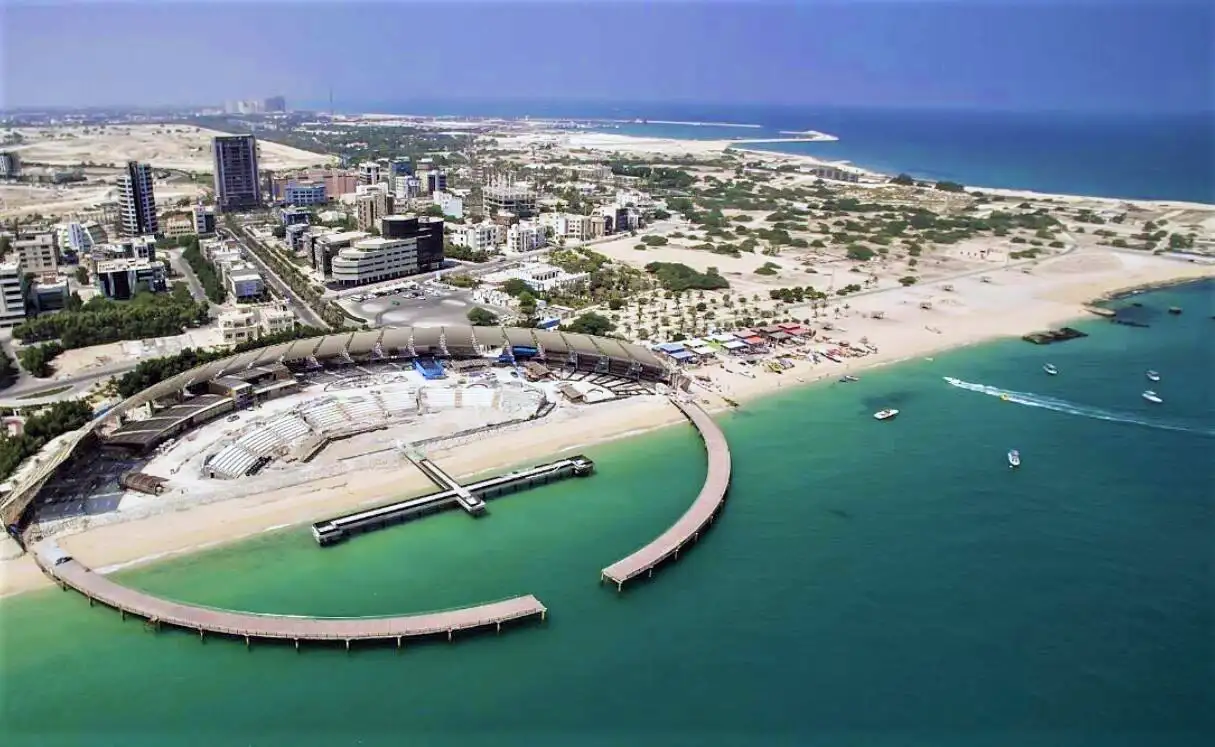
Acrylic Resin Price in Iran (2026) | Supplier List, Export Data & Buying Guide
Iran’s Acrylic Resin Market Landscape and International Supply Capabilities

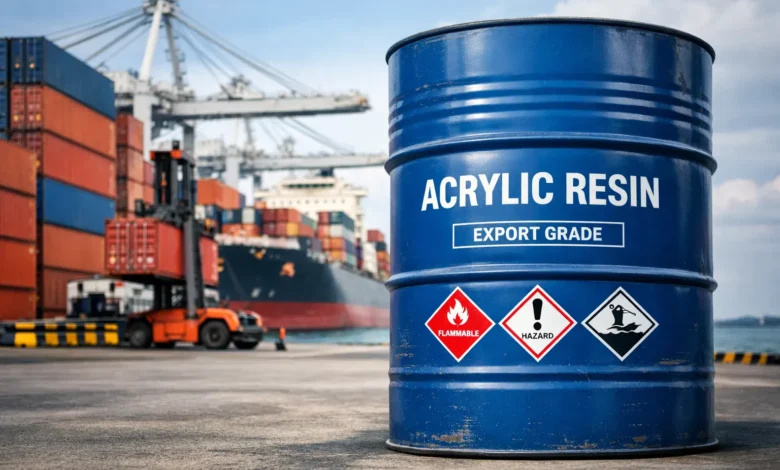
What Is Acrylic Resin? Types, Properties & Industrial Applications
Acrylic resin price in Iran is increasingly searched by international buyers looking for cost-competitive, export-ready polymer materials for coatings, adhesives, and construction chemicals. Before evaluating pricing, however, it is essential to understand what acrylic resin is, how it is classified, and why it plays a strategic role in multiple industrial sectors. (Read more: Advances in Waterborne Acrylic Resins: Synthesis Principle and Application Fields)
Quick Summary (2026):
- Indicative FOB Price Range: 900–1,600 USD/MT (depends on resin type & grade)
- Typical MOQ: 10–25 MT (container-scale orders usually qualify for better pricing)
- Common Packaging: 200 kg drums, IBC totes, or bulk (grade-dependent)
- Key Documents to Request: TDS, COA, SDS, Certificate of Origin
- Main Incoterms Used: FOB Bandar Abbas, EXW, CIF (upon request)
- Buyer Tip: Always confirm batch specs and application compatibility before bulk procurement.
Acrylic resin is a synthetic polymer derived primarily from acrylic acid, methacrylic acid, and their esters. It is widely used in paints and coatings, sealants, waterproofing systems, textile finishes, printing inks, and pressure-sensitive adhesives. Due to its excellent weather resistance, UV stability, transparency, and strong adhesion properties, acrylic resin is considered one of the most versatile thermoplastic and thermosetting resins in the global polymer market.

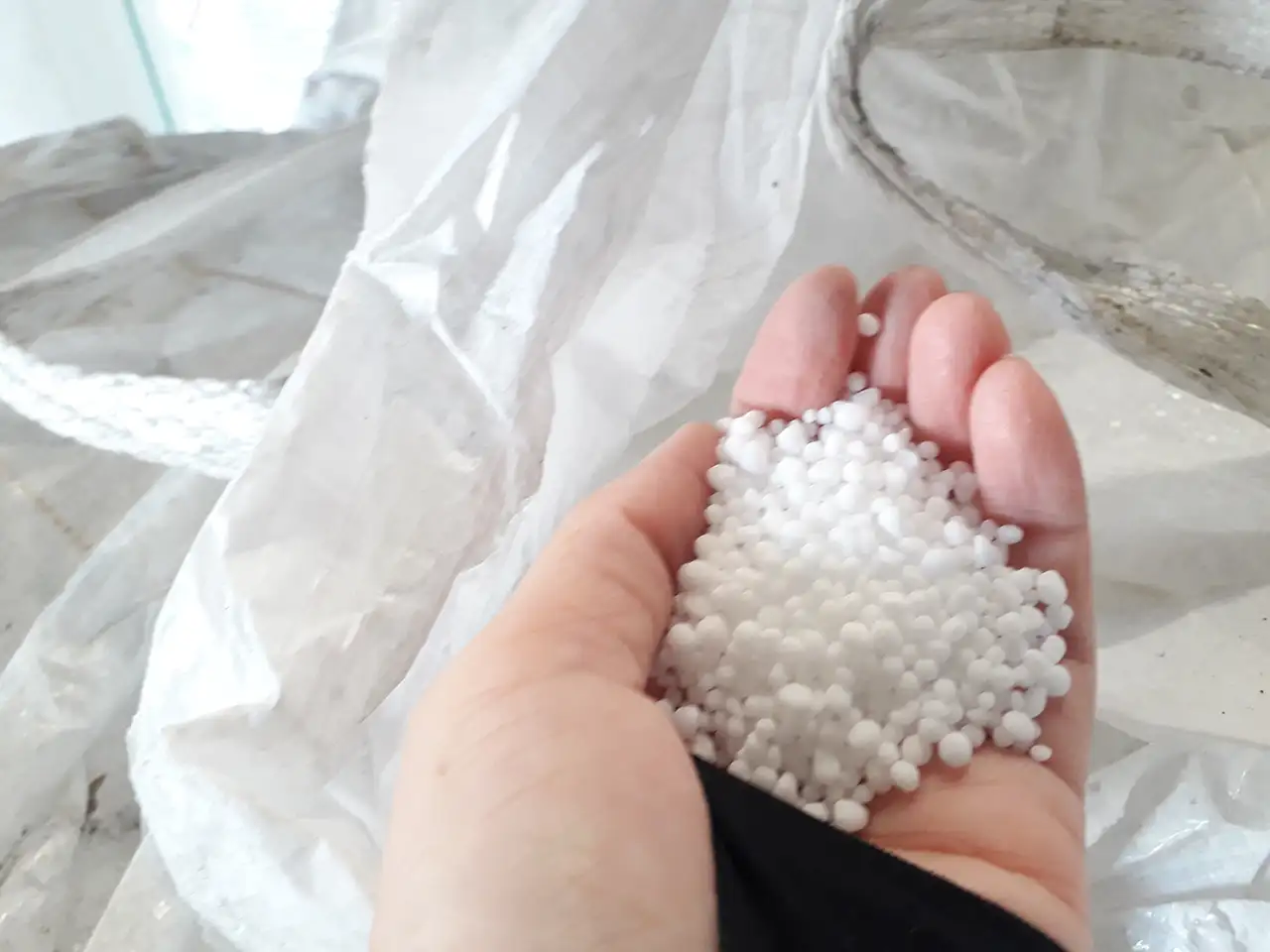
In addition to conventional acrylic polymers, certain high-performance formulations are based on methyl methacrylate (MMA) resin. MMA-based acrylic systems are widely used in flooring, road marking coatings, structural adhesives, and rapid-curing construction materials due to their fast polymerization, high mechanical strength, and superior weather resistance. Since methyl methacrylate is a key petrochemical derivative, fluctuations in MMA feedstock pricing can indirectly influence the overall acrylic resin price structure in export markets.
 .
.
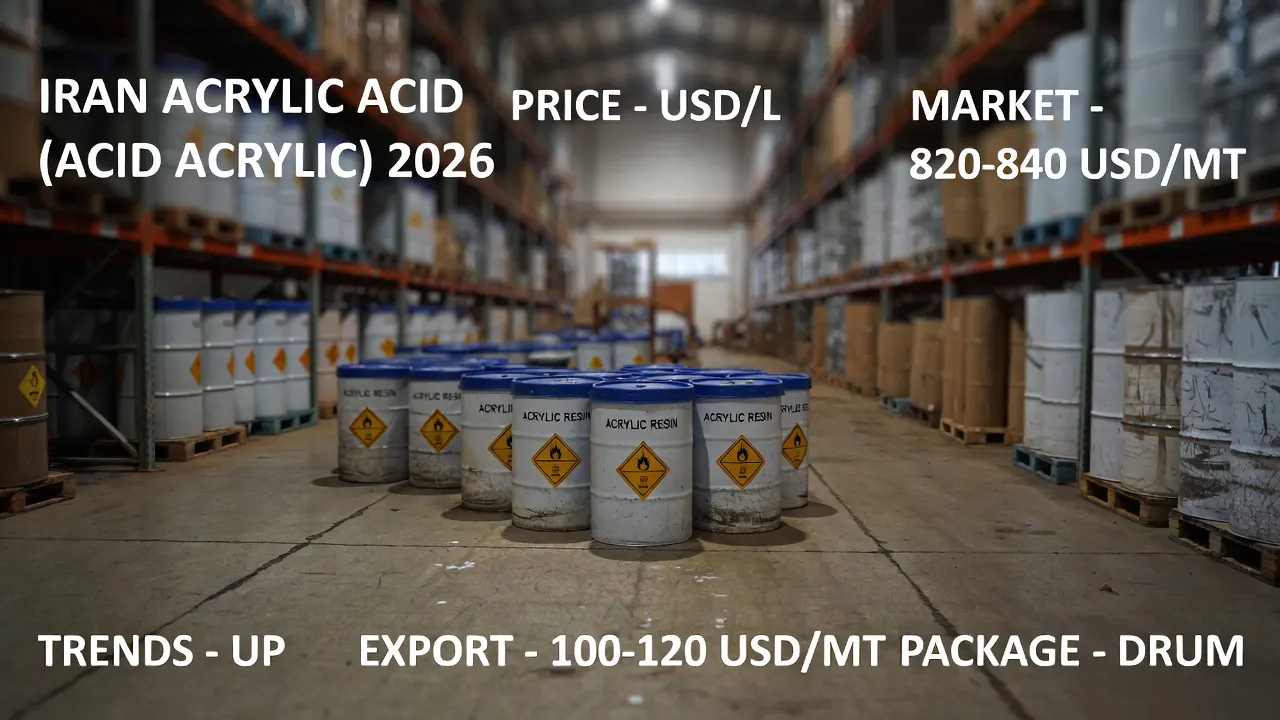
Main Types of Acrylic Resin
-
Water-Based Acrylic Resin (Acrylic Emulsion)
Commonly used in architectural coatings, decorative paints, and eco-friendly formulations. It offers low VOC content and fast drying time. -
Solvent-Based Acrylic Resin
Typically used in industrial coatings, automotive paints, and protective finishes where higher chemical resistance is required. -
Styrene-Acrylic Resin
A cost-efficient copolymer often used in exterior paints and construction applications. -
Thermoplastic Acrylic Resin
Known for clarity and impact resistance; widely used in plastic sheets and molding applications. -
Thermosetting Acrylic Resin
Used in high-performance coatings and powder coatings requiring enhanced durability.
Key Technical Properties
-
High UV and weather resistance
-
Strong adhesion to metal, concrete, and wood
-
Chemical and corrosion resistance
-
Transparency and gloss retention
-
Good flexibility and impact resistance
Because of these properties, acrylic resin demand remains stable in both emerging and developed markets. International buyers often compare acrylic polymer price, bulk acrylic resin suppliers, and industrial resin export costs before selecting a sourcing country.
Acrylic Resin Market in Iran: Size, Growth Drivers & Industry Trends
Iran’s polymer and petrochemical industry provides a strong foundation for domestic acrylic resin production. The country benefits from upstream access to petrochemical feedstock, competitive energy pricing, and a well-established chemical manufacturing sector. These structural advantages directly influence production capacity and ultimately impact the acrylic resin export market.
Market Drivers in Iran
-
Growing Construction Sector
Increased demand for paints, waterproofing compounds, and façade coatings boosts acrylic emulsion consumption. -
Expansion of Local Paint & Coating Manufacturers
Iran has a large domestic paints and coatings industry, which supports consistent acrylic resin demand. -
Regional Export Opportunities
Neighboring markets in the Middle East, CIS countries, and South Asia often source industrial raw materials from Iran due to geographic proximity and competitive logistics. -
Cost-Competitive Manufacturing
Lower production costs compared to parts of Europe and East Asia create export advantages for Iranian resin producers.
Industry Trends (2026 Outlook)
-
Shift toward water-based acrylic systems due to environmental regulations
-
Increasing demand for high-performance coating resins
-
Rising inquiries from foreign buyers for FOB price quotations and bulk supply agreements
-
Greater emphasis on export documentation, compliance, and international certifications
As a result, search interest around terms like acrylic resin suppliers in Iran, Iran polymer manufacturers, and industrial resin export from Iran has increased among global procurement managers.
Acrylic Resin Price in Iran (2026): Key Cost Factors and Pricing Structure
Understanding acrylic resin price in Iran (2026) requires analyzing several technical and economic variables. Prices are not fixed; they fluctuate based on grade, volume, feedstock cost, and export conditions.
1. Type and Grade of Resin
Water-based acrylic emulsion, solvent-based acrylic, and styrene-acrylic copolymers each have different production costs and pricing tiers. High-solid or specialty grades command premium prices.
2. Raw Material and Feedstock Costs
Acrylic monomers (such as MMA and acrylic acid) are petrochemical derivatives. Any fluctuation in global oil prices or regional petrochemical supply chains directly impacts resin manufacturing cost.
3. Order Volume (MOQ & Bulk Discounts)
Bulk purchases significantly reduce the per-ton price. Most Iranian suppliers offer tiered pricing for container-scale orders.
4. Packaging and Logistics
-
Drum vs. IBC vs. bulk tank
-
Inland transportation to port
-
Export port (Bandar Abbas, Bushehr, etc.)
-
Freight terms (FOB, CIF, EXW)
5. Currency Exchange Rate
Since international transactions are usually denominated in USD, exchange rate movements influence final export quotations.
6. Quality Certification & Testing
Requests for additional lab tests, third-party inspection, or compliance documentation may add to total cost.
In international sourcing comparisons, buyers often evaluate:
-
Acrylic resin price per ton
-
FOB Iran resin price
-
Bulk acrylic polymer suppliers
-
Industrial coating resin export rates
A transparent pricing structure combined with verified supplier information significantly increases buyer confidence — especially for foreign importers seeking long-term supply contracts.
Last updated: February 2026
| Acrylic Resin Type | Application Sector | Packaging | Typical MOQ | Indicative FOB Price (USD/MT) |
|---|---|---|---|---|
| Water-Based Acrylic Emulsion | Architectural Paints | 200 kg Drum / IBC | 10–20 MT | 950 – 1,150 |
| Styrene-Acrylic Copolymer | Exterior Coatings | 200 kg Drum | 15–25 MT | 900 – 1,050 |
| Solvent-Based Acrylic Resin | Industrial Coatings | Drum / Bulk | 10–20 MT | 1,050 – 1,300 |
| Thermoplastic Acrylic Resin | Plastic & Sheet Applications | Bag / Drum | 5–15 MT | 1,200 – 1,450 |
| High-Solid Specialty Acrylic | Protective & Marine Coatings | Drum | 10–20 MT | 1,300 – 1,600 |
Pricing Notes:
• Prices are indicative FOB Iran (Bandar Abbas) for bulk export orders in 2026.
• Final quotation depends on resin grade, solid content, viscosity level, and contractual volume.
• Full-container purchases (1×20ft or 1×40ft) typically qualify for discounted pricing.
• CIF pricing varies based on destination country and international freight rates.
• Currency exchange rate fluctuations and petrochemical feedstock costs may affect final invoice pricing.
• Buyers are advised to request updated technical datasheets (TDS) and certification documents before finalizing contracts.
Technical Specifications & Laboratory Test Parameters (Typical TDS Data)
Typical for water-based acrylic emulsion used in architectural coatings
| Parameter | Test Method | Typical Value | Unit |
|---|---|---|---|
| Solid Content | ASTM D2369 | 48 ± 1 | % |
| Viscosity (25°C) | ASTM D2196 | 1,500 – 2,500 | cPs |
| pH | ASTM E70 | 8.0 – 9.0 | — |
| Density | ASTM D1475 | 1.03 – 1.06 | g/cm³ |
| Glass Transition Temperature (Tg) | DSC Method | +15 | °C |
| Particle Size | Laser Scattering | 0.10 – 0.20 | µm |
| Appearance | Visual Inspection | Milky White Liquid | — |
Quality & Testing Notes:
• Values shown above represent typical laboratory results under controlled production conditions.
• Certified Technical Data Sheet (TDS) and Certificate of Analysis (COA) are available upon request for each production batch.
• Test methods follow internationally recognized ASTM standards where applicable.
• Buyers are encouraged to verify compatibility with their formulation before bulk procurement.
• Custom grade adjustments (solid content, Tg modification, viscosity tuning) may be available for industrial contracts.
Iran Acrylic Resin Price Benchmarks: Typical Bulk & FOB Price Ranges
For international buyers, comparing acrylic resin price per ton in Iran requires understanding benchmark export pricing under standard commercial terms such as FOB (Free on Board).
Typical Export Benchmarks (2026)
-
Water-based acrylic emulsion: 950 – 1,150 USD/MT
-
Styrene-acrylic copolymer: 900 – 1,050 USD/MT
-
Solvent-based acrylic resin: 1,050 – 1,300 USD/MT
-
Specialty high-solid grades: 1,300 – 1,600 USD/MT
Pricing Structure in Export Contracts
Most Iranian suppliers quote prices based on:
-
FOB Bandar Abbas
-
EXW factory price
-
CIF destination port (upon request)
Bulk container shipments (20ft or 40ft) significantly reduce per-ton cost. Long-term supply agreements may offer additional pricing flexibility.
When evaluating Iran against other sourcing countries, buyers typically compare:
-
Acrylic resin FOB price
-
Minimum order quantity (MOQ)
-
Production lead time
-
Quality certification availability
-
Payment terms
Competitive positioning of Iran largely depends on feedstock stability and regional freight advantages.
Export Destinations and Trade Data for Iranian Acrylic Resin
Iran’s geographic location provides logistical access to the Middle East, Central Asia, South Asia, and CIS markets. As a result, Iranian acrylic resin exports are primarily directed toward neighboring and regional markets.
Key Export Destinations
-
Iraq
-
Armenia
-
Azerbaijan
-
Turkmenistan
-
Afghanistan
-
CIS region
-
Selected African markets
Trade Characteristics
-
Containerized drum shipments
-
Bulk IBC export
-
Regional land transport to neighboring countries
-
Maritime export via southern ports
International buyers typically request:
-
Commercial invoice
-
Packing list
-
Certificate of origin
-
Technical Data Sheet (TDS)
-
Certificate of Analysis (COA)
Given its cost structure and logistical position, Iran remains a regional supplier rather than a global volume leader, but it is highly competitive for buyers seeking mid-scale bulk procurement with regional freight efficiency.
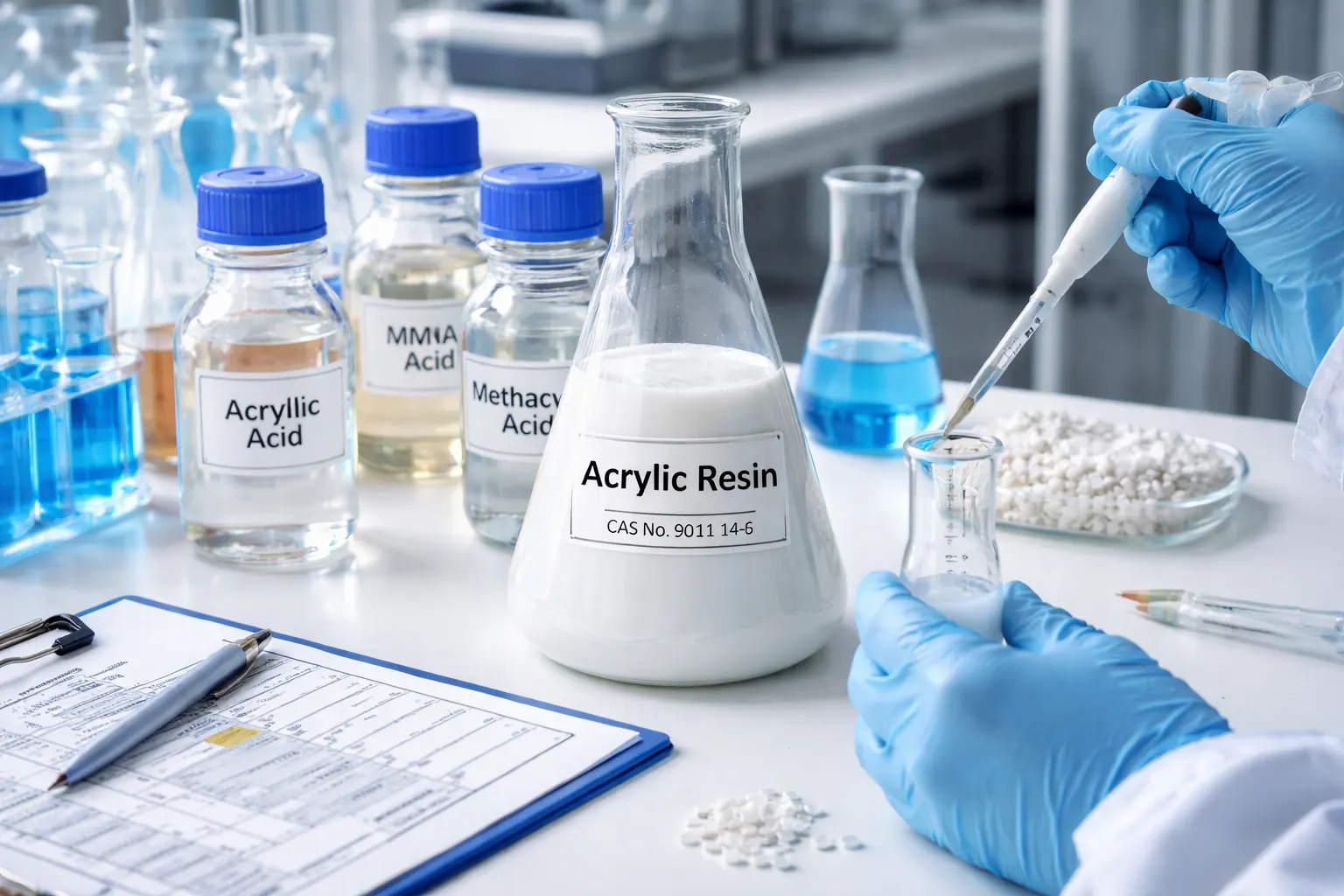
Verified Iranian Acrylic Resin Manufacturers and Major Industrial Players
When evaluating acrylic resin price in Iran, international buyers should understand the broader industrial ecosystem behind Iran’s polymer and petrochemical sector. While several private manufacturers operate in the coatings and resin segment, the backbone of Iran’s chemical industry is formed by large state-owned or quasi-state industrial groups that supply upstream petrochemical feedstock and polymer infrastructure.
Although these major entities may not directly export finished acrylic resin in small commercial lots, they play a decisive role in stabilizing supply chains and feedstock availability.
Key Large-Scale Industrial Groups in Iran’s Chemical Sector
National Petrochemical Company (NPC)
NPC oversees Iran’s petrochemical development strategy and coordinates major downstream polymer production facilities. Acrylic resin manufacturing benefits indirectly from the availability of petrochemical derivatives under this framework.
Persian Gulf Petrochemical Industries Company (PGPIC)
PGPIC is one of the largest petrochemical holding groups in the Middle East. Through its subsidiaries, it supports the supply of essential feedstocks used in polymer and resin manufacturing.
Tamin Petroleum & Petrochemical Investment Company (TAPPICO)
Affiliated with large institutional investment groups, TAPPICO operates across petrochemical value chains and

supports industrial raw material availability for resin and coating manufacturers.
Iran Investment Company (formerly related to large industrial holdings)
Participates in diversified chemical and industrial investments that strengthen upstream and downstream polymer production capacity.
These organizations form the structural foundation of Iran’s chemical and polymer industry. Independent acrylic resin manufacturers operate within this industrial ecosystem, sourcing raw materials from facilities linked to these major groups.
For foreign buyers, understanding this upstream industrial base helps assess long-term supply reliability and feedstock stability.
How to Buy Acrylic Resin from Iran: Working Within the Industrial Supply Chain
Sourcing acrylic resin from Iran involves navigating a layered industrial structure. While upstream petrochemical giants ensure feedstock stability, most export-ready acrylic resin products are supplied by specialized mid-scale manufacturers and export-oriented trading companies.
Step 1: Identify the Correct Supplier Category
Buyers may work with:
-
Direct resin manufacturers
-
Industrial chemical distributors
-
Export management companies
Large state-backed petrochemical holdings typically do not handle small-to-mid scale resin export orders directly but contribute to raw material availability.
Step 2: Technical & Commercial Inquiry
Provide:
-
Grade requirements (water-based, styrene-acrylic, solvent-based)
-
Required solid content
-
Target application
-
Volume (MT per shipment)
-
Delivery term (FOB / CIF)
Step 3: Documentation & Compliance
Reputable suppliers should provide:
-
Technical Data Sheet (TDS)
-
Certificate of Analysis (COA)
-
Safety Data Sheet (SDS)
-
Commercial invoice & certificate of origin
Understanding the industrial structure reduces sourcing risk and improves contract transparency.
Quality Standards, Technical Specifications and Industrial Infrastructure
Iran’s large petrochemical and industrial groups operate under established production and quality management systems. Although acrylic resin producers are typically independent entities, they function within an industrial environment supported by:
-
Established petrochemical complexes
-
Industrial laboratory infrastructure
-
Export-oriented logistics hubs
-
Southern maritime ports with bulk shipping capacity
Common Testing Frameworks
Most manufacturers apply:
-
ASTM-based testing methods
-
Internal QC laboratory protocols
-
ISO-aligned quality management systems
For international procurement managers, the presence of large petrochemical holdings such as NPC and PGPIC indicates upstream production stability — an important consideration when assessing long-term acrylic resin price competitiveness.
Acrylic Resin Price Forecast in Iran (2026–2027 Outlook)
Future acrylic resin price in Iran trends depend largely on upstream petrochemical cost dynamics and regional demand growth.
Structural Stability Factors
-
Feedstock security supported by major petrochemical holdings
-
Domestic energy cost advantages
-
Regional export access to Middle East and CIS markets
Potential Volatility Drivers
-
Global crude oil price fluctuations
-
International freight rate movements
-
Currency exchange rate changes
-
Regional construction sector demand shifts
Given Iran’s integrated petrochemical infrastructure, price volatility tends to be more influenced by global oil markets than domestic production instability.
For industrial buyers, understanding the role of large state-affiliated petrochemical groups provides additional confidence when evaluating long-term supply contracts.
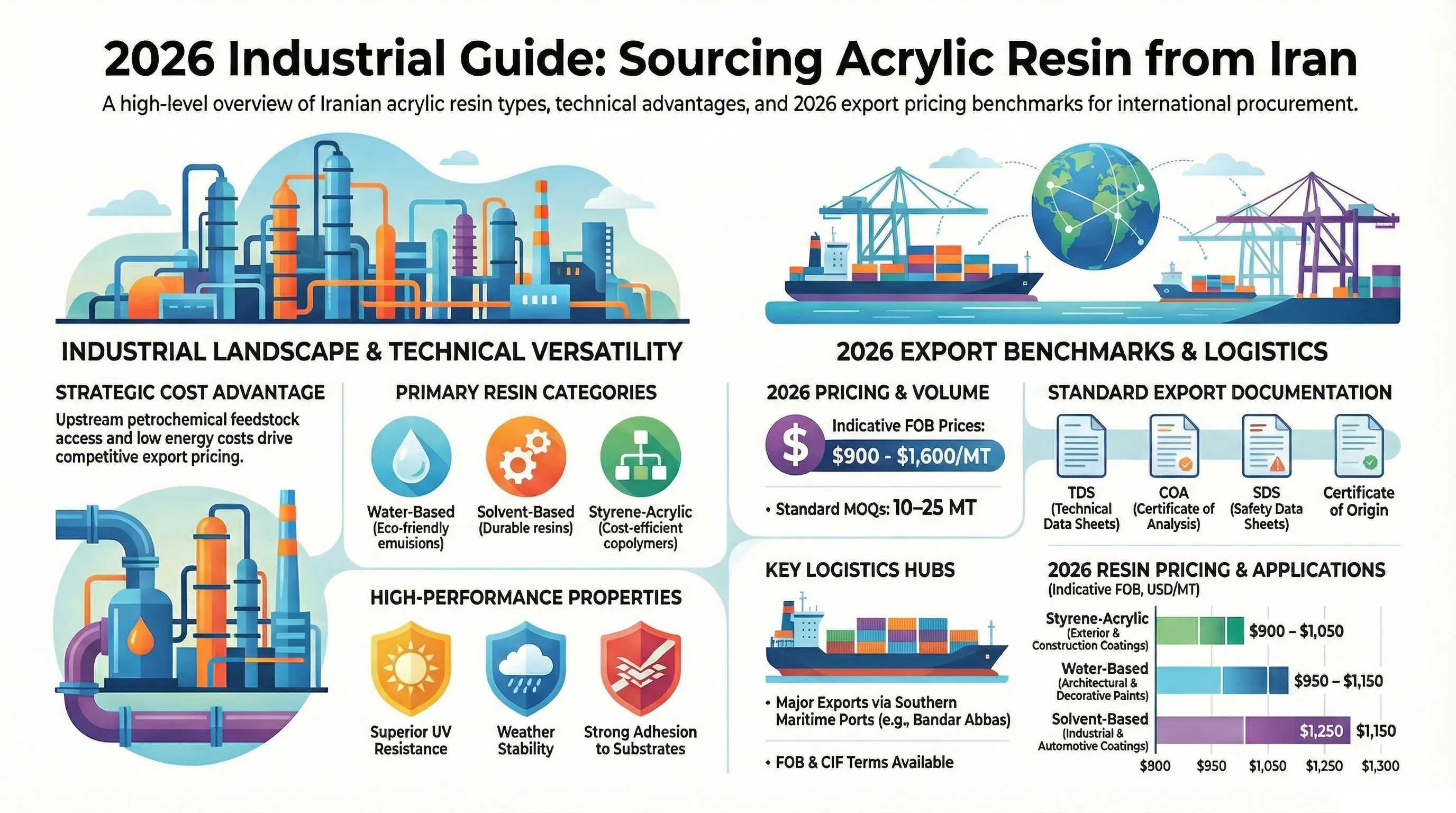
Frequently Asked Questions (FAQ) About Acrylic Resin in Iran
International buyers searching for acrylic resin price in Iran often have technical and commercial questions before initiating procurement. Below are the most common queries from importers and industrial sourcing managers.
What is the average acrylic resin price per ton in Iran (2026)?
Indicative export prices typically range between 900 to 1,600 USD per metric ton, depending on resin type (water-based, solvent-based, styrene-acrylic), solid content, and contract volume. Final quotations depend on FOB or CIF terms and batch specifications.
Is Iranian acrylic resin suitable for export markets?
Yes. Many Iranian manufacturers produce water-based acrylic emulsions and industrial coating resins suitable for regional export markets. Buyers should always request:
-
Technical Data Sheet (TDS)
-
Certificate of Analysis (COA)
-
Safety Data Sheet (SDS)
to verify compliance with their formulation and local regulations.
What are common applications of acrylic resin from Iran?
Iranian acrylic resins are commonly used in:
-
Architectural and decorative paints
-
Industrial protective coatings
-
Waterproofing systems
-
Adhesives and sealants
-
Construction chemicals
-
Textile finishing
What delivery terms are typically offered?
Most suppliers quote under:
-
FOB Bandar Abbas
-
EXW factory
-
CIF destination port (upon request)
Containerized drum shipments are standard for export.
How can buyers verify supplier credibility?
Buyers are advised to:
-
Request production capacity details
-
Review laboratory test results
-
Verify export history
-
Confirm documentation readiness
Understanding the broader petrochemical infrastructure supporting Iran’s polymer industry also helps evaluate long-term supply reliability.
Data Sources, Methodology and Update Policy
This report on acrylic resin price in Iran (2026) is prepared using a combination of:
-
Market inquiries with export-oriented suppliers
-
Analysis of regional polymer trade dynamics
-
Review of petrochemical industry structure in Iran
-
Comparative pricing benchmarks from neighboring sourcing countries
Methodology
Indicative price ranges reflect:
-
Bulk container export volumes
-
Standard commercial grades
-
FOB-based export quotations
-
Typical industrial specifications
Prices are not fixed retail values and may vary depending on:
-
Feedstock cost fluctuations
-
Currency exchange movements
-
Order volume
-
Customized grade requirements
Industrial Context Reference
Iran’s petrochemical and polymer industry operates within a structured framework supported by major national industrial groups such as:
-
National Petrochemical Company (NPC)
-
Persian Gulf Petrochemical Industries Company (PGPIC)
-
TAPPICO
These entities contribute to upstream feedstock stability that indirectly influences acrylic resin production economics.
Update Policy
This page is reviewed and updated periodically to reflect:
-
Changes in export pricing benchmarks
-
Feedstock market fluctuations
-
Regulatory or compliance developments
-
Shifts in regional trade dynamics
Buyers are encouraged to request a formal quotation and updated technical documentation prior to finalizing procurement decisions.
References & Industry Sources
To strengthen transparency and E-E-A-T, the following scientific and industry sources are provided for readers and procurement teams.
Scientific Reference (Acrylic Resins)
- Jiao C, et al. (2021). Advances in Waterborne Acrylic Resins: Synthesis Principle and Application Fields.
PubMed Central (PMC).
Standards & Testing References (Methods Mentioned in This Guide)
- ASTM D2369 — Volatile Content of Coatings:
ASTM International. - ASTM D2196 — Rheological Properties (Viscosity) by Rotational Viscometer:
ASTM International. - ISO 9001:2015 — Quality Management Systems (QMS):
International Organization for Standardization (ISO).
Iran Petrochemical & Industrial Context (Upstream Ecosystem)
- Persian Gulf Petrochemical Industries Company (PGPIC) — Corporate Portal:
pgpic.ir. - Tamin Petroleum & Petrochemical Investment Company (TAPPICO) — Official Website:
tappico.com. - National Petrochemical Company (NPC) — Public Relations/Industry News Portal:
nipna.ir.
Note: Pricing tables in this article are indicative benchmarks for bulk export discussions and should be validated via
a formal quotation and batch documentation (TDS/COA/SDS) prior to contract finalization.